Health & Safety Policy — Commercial Waste Balham
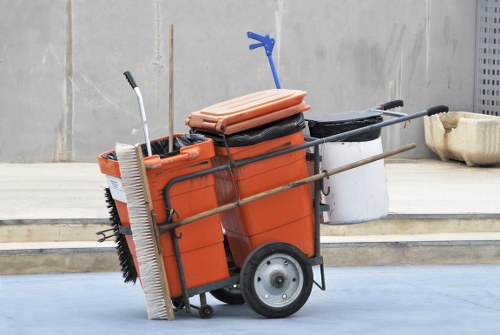 Purpose: This Health & Safety Policy describes the controls, responsibilities and behaviours required to manage risks arising from commercial waste operations. It applies to collection, transfer, storage and on-site handling carried out by the rubbish company service area and partners. The policy supports legal compliance and best practice while promoting a culture of safety and continual improvement.
Scope: The policy covers employees, agency staff, contractors and any persons who work on or visit sites where commercial rubbish and waste services are provided. It includes routine collections, bulky waste handling, vehicle operations and interaction with customer premises. Managers must ensure the policy is communicated and accessible to all relevant personnel.
Policy principles
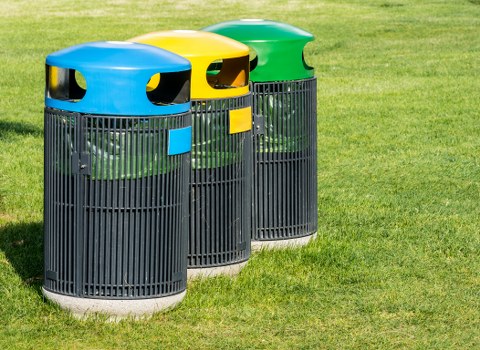 We adopt a preventative, risk-based approach to eliminate or reduce hazards. Controls are proportionate to the risks from manual handling, vehicle movements, sharps and hazardous materials. Where risks remain, we use a hierarchy of controls: elimination, substitution, engineering controls, administrative controls and PPE, in that order.
Risk assessments are documented and reviewed regularly. Typical controls include planning collection routes to reduce manual handling, secure container management, segregation of waste streams and maintenance of spill response equipment. Key measures are supported by a checklist-based inspection regime to confirm controls remain effective across the rubbish company service area.
Training and competence are mandatory. Staff receive induction training, task-specific instruction and regular refresher courses that cover safe lifting techniques, correct bin handling, vehicle loading and contamination avoidance. Training records are maintained to demonstrate competency and to schedule ongoing development.
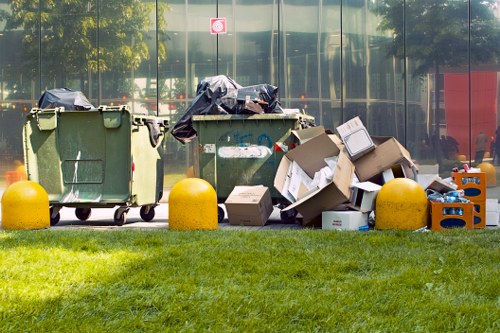 Hazardous waste and spill response: Identification, containment and safe transport of hazardous materials are critical. Vehicles carry spill kits, PPE and containment equipment. Staff are trained in containment, decontamination and incident escalation so that exposures are minimised and environmental harm is avoided.
Vehicles and plant follow strict inspection and maintenance regimes. Pre-start checks, daily walkarounds and scheduled servicing reduce mechanical failures and safety risks. Drivers follow safe driving standards and site-specific rules for reversing, loading and securing waste, using banksmen where necessary during constrained access collections.
Personal protective equipment (PPE) is provided and its use enforced. Typical PPE includes gloves, high-visibility clothing, safety footwear and eye protection. Specialized PPE is supplied for specific hazards and must be inspected and replaced when worn or damaged.
Contractor management requires documented method statements, risk assessments and evidence of appropriate licences and insurance. Contractors must comply with our safety standards and integrate with site-specific procedures before starting work on behalf of the commercial rubbish service.
Incident management and continuous improvement
 All accidents, incidents and near misses must be reported promptly. Reports are investigated to identify root causes and corrective actions. Investigation outcomes are recorded and actioned, with follow-up to ensure corrective measures reduce the risk of recurrence. Lessons learned are shared through toolbox talks and updates to risk assessments.
First aid arrangements, emergency procedures and liaison with emergency responders are established to ensure timely support for injuries, exposures and significant spills. Evacuation routes, assembly points and the location of first aid equipment are communicated to staff and periodically tested through drills.
 Monitoring and audit underpin compliance and improvement. We use site inspections, performance metrics and internal audits to track safety performance. Key indicators, including incident rates and near-miss reporting frequency, are reviewed by management to drive corrective actions and resource allocation within the rubbish company service area.
Additional control measures and expectations include:
- Clear responsibilities: Managers provide leadership and resources; supervisors implement controls; employees follow procedures and report hazards.
- Record keeping: Training, inspections, maintenance and incident records are retained to demonstrate compliance and to support continual improvement.
- Communication: Safety briefings, signage and written procedures ensure consistent standards across operations.
Commitment: The company is committed to protecting the health and safety of staff, contractors and the public, and to minimising the environmental impacts of commercial waste activities. Everyone has a role to play: adherence to this policy is mandatory and forms part of employment and contracting obligations.
Review: This policy is reviewed periodically and whenever significant changes to operations occur. Reviews consider legislative changes, incident findings and evolving best practice to ensure the rubbish and commercial waste service remains safe, lawful and effective.
