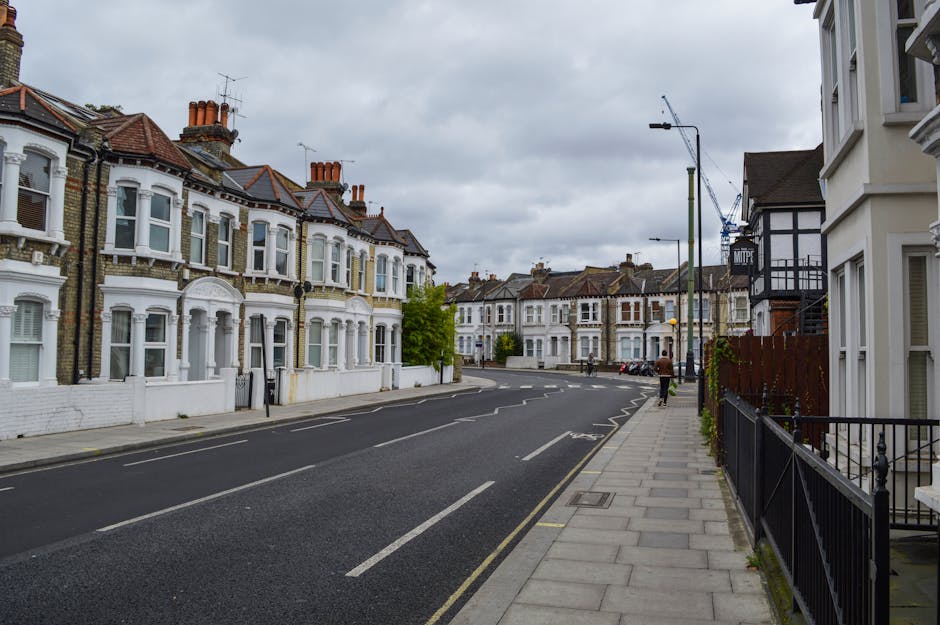
Commercial Waste in Balham for regular collections and one-off clearances
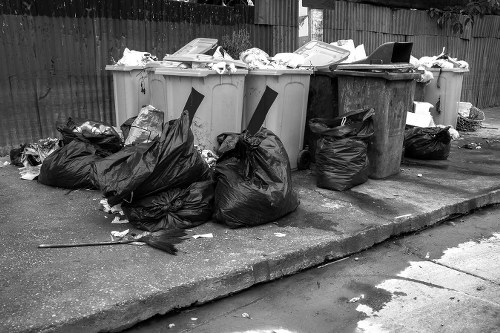
Commercial waste in Balham needs a straightforward, dependable service that keeps business premises clear without turning disposal into a distraction. We collect a wide range of non-hazardous business waste, helping offices, shops, studios and other premises manage everyday rubbish, bulky items and mixed unwanted material in a way that is practical and orderly. The focus is on keeping the process simple for customers who want their waste removed and handled responsibly.
Our service is built around the kind of waste that businesses tend to accumulate over time: packaging, broken fixtures, outdated office items, stockroom clutter and general refuse from day-to-day operations. Where suitable, materials can be sorted for recovery or recycling rather than sent away as one unsorted load. That approach supports cleaner premises and makes it easier to keep waste management aligned with business routines.
If you need commercial waste collection in Balham, start by identifying the type of waste you have and the access to the premises. A clear description of the items, the volume involved and any timing considerations helps shape a suitable quotation. For many businesses, the aim is simply to remove the unwanted material with minimal interruption and keep the site ready for work.
Routine business waste removal
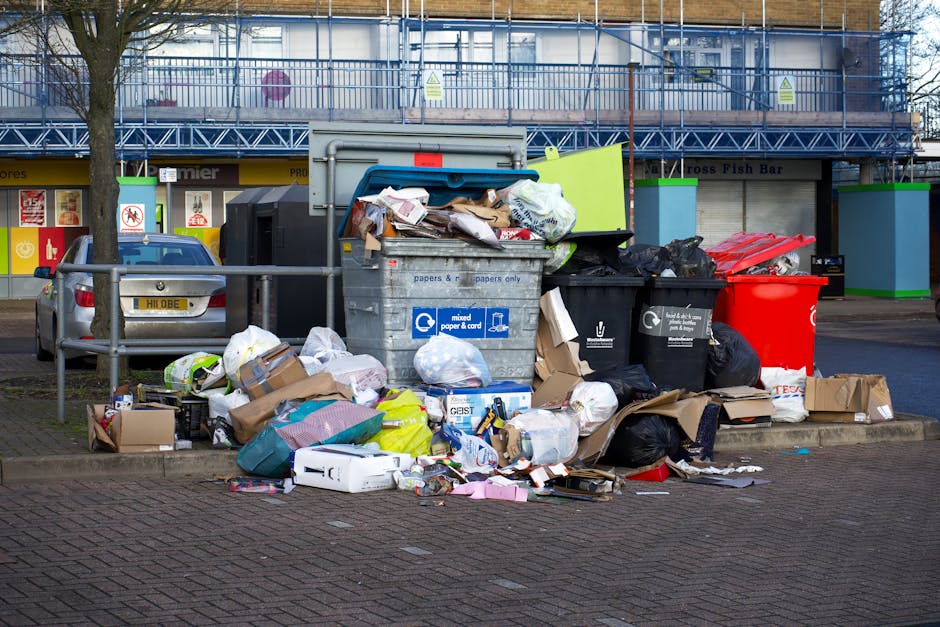
Routine commercial waste removal is often about consistency rather than complexity. Businesses may produce a regular stream of mixed rubbish from packaging, floor sweepings, old displays, office bins and general non-confidential waste. We can help remove these kinds of materials so they do not build up in storage areas, back rooms or external loading spaces. The service is useful for premises that need ad hoc clearances as well as those looking for a recurring solution.
Different business settings create different waste profiles. A small office might need old stationery, broken chairs and redundant filing materials taken away, while a retail unit may have cardboard, shrink wrap and damaged fixtures to dispose of. A practical collection should be sized to the job, with the load kept tidy and suitable items separated where possible. Pricing and quotes are usually easier to prepare when the waste type, quantity and location are clearly described.
Office, retail and workspace clearances
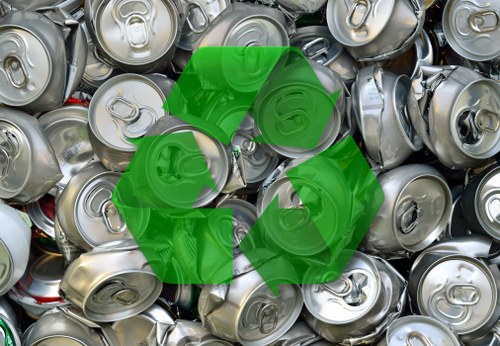
Many commercial clearances are tied to changes in how a premises is used. Offices may replace old desks, chairs, cabinets and monitors. Shops and studios may need shelves, display units, stockroom items or packaging removed after a refit, move or stock change. Our waste removal service can be used to clear these kinds of items in a controlled way, helping reduce clutter without requiring the customer to manage several disposal arrangements.
For larger or mixed loads, it often helps to separate reusable or recyclable material from general waste before collection. That may include metal fixtures, cardboard, certain plastics and clean timber, depending on the make-up of the load. Where the items are bulky or awkward to move, access and lifting routes matter as much as the waste itself. If you are planning a clearance, you can book online once you have a clear picture of what needs to go.
Typical office and retail waste can include: old shelving, packaging, paper waste, redundant equipment, damaged furniture and general mixed rubbish. Keeping the items grouped before collection makes it easier to assess the work and reduces the chance of missing smaller pieces that are tucked away in cupboards, under counters or in storage rooms.
Furniture, fixtures and bulky items
Bulky commercial items usually need more planning than bagged waste because of their size, weight and shape. Desks, chairs, cabinets, display counters and storage units may be straightforward in isolation, but awkward when they have to be moved through narrow corridors, stairwells or shared entrances. Our furniture and fixture removal options are intended to help take away these items without leaving them to clog up usable space in the premises.
Where furniture is still in reasonable condition, businesses may choose to separate it from broken stock or damaged fittings before collection. That makes sorting more efficient and may help keep the removal focused on what genuinely needs disposal. The same principle applies to mixed loads containing wood, metal and soft furnishings: a clearer load usually means a smoother handover. For items such as chairs or counters, furniture clearance can be a useful page to review alongside the main service.
What makes a bulky item collection easier
Preparation does not need to be elaborate. In most cases, it is enough to know which items are staying, which items are going, and whether anything needs to be dismantled before removal. A short list is usually better than a vague description, especially where several rooms or storage areas are involved. If there are access constraints such as loading restrictions, shared entrances or limited parking, mention them early so the collection can be planned realistically.
It is also sensible to consider whether the load contains any specialist material that should be separated before collection. Office furniture with electrical parts, large upholstered items and mixed fittings can each need different handling once they are on site. That does not have to complicate the enquiry; it simply gives a clearer basis for the quotation. If you need a broader service for varied domestic or business items, flat clearance may be relevant where the same type of mixed removal is required.
For some businesses, bulky-item work is a one-off response to a refurbishment or exit. For others, it is part of a rolling process to keep the premises manageable. Either way, the aim is the same: move the unwanted items out efficiently, keep the surrounding area tidy, and avoid leaving valuable floor space occupied by furniture that no longer serves the business.
Recycling and waste handling
Responsible waste handling matters for commercial customers because not every item belongs in the same load. Mixed business waste can often be separated into recyclable and non-recyclable streams depending on its composition and condition. Cardboard, clean metal, some plastics and other recoverable materials may be kept apart where practical, while general refuse is handled separately. That approach helps businesses manage waste in a more structured way and supports better material recovery where possible.
Some types of waste need more careful handling than ordinary mixed rubbish. Items that are contaminated, damaged beyond reuse or awkwardly combined with other materials may limit how much can be recycled, so the nature of the load affects the process. A practical quotation should therefore reflect not only the quantity but also the likely sorting involved. If sustainability is important to your business, you may also find recycling and sustainability helpful when considering how different materials are handled.
Where waste includes items that should not be mixed with general rubbish, it is better to say so clearly at the outset. That helps avoid delays and allows the right handling arrangements to be made. For example, some loads may contain materials that require separate treatment, and those should never be left to chance or blended into a standard clearance.
Business waste service options
Commercial waste removal is rarely one-size-fits-all. A business may need a single collection after a tidy-up, or a more structured approach for ongoing waste produced by day-to-day operations. The practical choice depends on the type of premises, the waste stream and how often material accumulates. For some customers, the key requirement is simply making sure the waste leaves the site at the right time and in the right form.
Useful options can include scheduled clearances for regular waste, one-off removal for unusual jobs, or a targeted visit for mixed items that have built up in one area. A clear scope keeps the work manageable and helps decide whether a general collection is enough or whether a more tailored service is better. If the waste comes from an office environment, office clearance may be the best way to handle desks, paperwork, chairs and other items together.
Before requesting a quotation, it helps to note the number of areas involved, whether any items are fixed in place, and whether the load includes anything especially bulky. A concise description is usually enough; the aim is not to over-explain, but to give a fair picture of the work so the response reflects the actual job.
Special items and separate disposal needs
Some commercial waste is more specific than ordinary mixed refuse. Businesses may need to dispose of fridges, appliances, upholstered furniture, confidential material or items that should be set apart from the general load. These jobs can still sit within a wider removal service, but they are often best identified early so that the collection can be handled appropriately and any special sorting can be built into the plan.
Where a premises is replacing appliances or clearing fitted equipment, it is useful to group those items separately from paper, packaging and general rubbish. That makes the waste easier to identify and helps the quotation reflect the actual effort involved. For appliance-related jobs, fridge and appliance removal offers a relevant route for items that need to be kept distinct from standard office or retail waste.
Confidential and sensitive material
Some businesses generate waste that should never be treated as ordinary rubbish. Paper records, files and documents can contain information that needs secure handling before disposal. In those cases, the waste stream should be separated and described accurately so it can be managed with the right level of care. This is especially important in offices, professional practices and shared workspaces where document storage may be reduced in stages.
If you are clearing folders, archived papers or paperwork that is no longer needed, the quantity matters as much as the type. A small archive can be handled very differently from several cabinets of records. Where a business wants a dedicated solution for sensitive paper, confidential shredding is a relevant page to review alongside broader commercial waste removal.
Not every job needs specialist handling, but it is better to identify sensitive material than to assume it can be included with the rest of the load. Clear labelling of the items, even in a simple note, can make the overall service more efficient and reduce uncertainty when the collection is arranged.
Balham as a business area
Balham is a district in south London within the London Borough of Wandsworth, set between Clapham, Tooting and Streatham. The area is centred on Balham High Road and Balham Station, with both Underground and rail connections making it a recognisable transport point in the south-west London network. Its built form includes late Victorian and Edwardian terraces, apartment blocks, local shops and mixed-use streets that reflect long-term suburban growth. The neighbourhood’s layout is shaped by the main north-south road corridor and the rail lines that run through the area, giving it a strong town-centre character despite its relatively compact footprint.
Historically, Balham grew as part of the wider London suburban expansion in the nineteenth and early twentieth centuries. The arrival of rail transport encouraged residential building and local commerce, while the streets around the station and high road developed a dense pattern of shops, cafes and services. The area also carries a distinctive wartime memory: during the Second World War, Balham Underground station was involved in a deadly incident during an air raid in 1940, and the event has remained part of the area’s historical identity. Today the district continues to combine residential streets with a busy commercial strip, including independent businesses, national chains and community facilities.
Open spaces nearby include Tooting Bec Common, a substantial green area with sports fields, trees and paths that link into a wider south London network of recreation land. Balham’s urban setting is balanced by these larger green spaces, while local architecture ranges from older terraced housing to later infill and mixed apartment developments. The area’s commercial life is also supported by restaurants, pubs, day-to-day services and commuter traffic, giving Balham a lively local centre with an established neighbourhood identity.
Clearances for moves, refits and changeovers
Commercial waste work is often linked to a wider change in how a property is used. A business move may leave redundant furniture, packaging and fittings behind. A refurbishment can produce broken fixtures, old displays and dismantled materials. A change of tenant or a phased reorganisation may create smaller piles of waste in several rooms rather than one large load. Our service can be used for these transitional jobs when the aim is to leave the space ready for its next stage.
Jobs like this are usually easier when the customer can describe what has changed in the premises and what remains in place. That does not require a long explanation. A brief outline of the rooms, the items and any access issues is often enough to identify the scope. If the clearance is part of a broader home or mixed-property move, home clearance may be useful where domestic and general clearance work overlap in practice.
Some changeover jobs involve a mixture of light waste and awkward bulky pieces, which means the removal plan has to take both sorting and movement into account. Where items are stacked in storage rooms or tucked behind counters, the collection may need to be sequenced so the accessible material comes out first. That keeps the work orderly and reduces avoidable handling.
How quotations are usually prepared
A commercial waste quotation is normally shaped by three things: the volume of waste, the kind of material involved, and the ease of access on the day. A few bags in a ground-floor premises will be assessed differently from a mixed load spread across several rooms or floors. Clear information is useful, but it should remain practical and focused. The aim is to match the quotation to the job rather than to create extra work for the customer.
Businesses can usually help by separating items where possible, making access routes clear and identifying anything that may need special handling. Photos can be useful if the load is awkward or spread out, but the most important details are still the material type, quantity and location. If you want to compare the main service with broader waste options, waste removal is a sensible page for understanding the overall scope of collections we support.
Request a quotation when you are ready to move the waste on. If you have a regular requirement, a one-off job or a mixed clearance that includes furniture, office items or special material, the next step is simply to outline what needs removing and when it suits the premises. From there, we can assess the collection and provide a quotation that reflects the work involved.