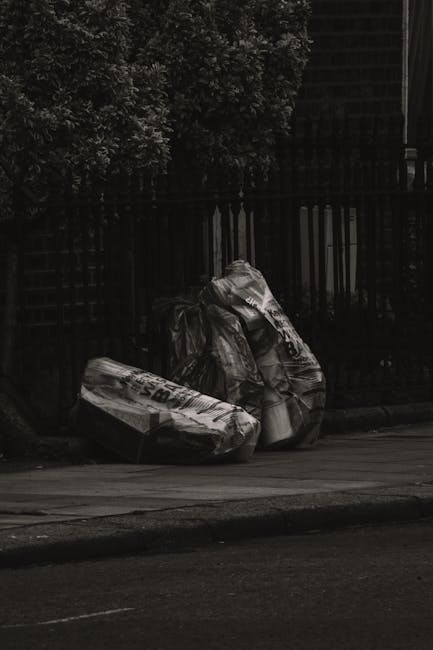
Tooting Bec Road Bulky Rubbish Removal Options in Balham
If you live, work, or manage a property near Tooting Bec Road, bulky rubbish has a habit of showing up at the worst possible moment. A sofa lands in the hallway. A broken wardrobe sits in the spare room. A fridge finally gives up on a damp Monday morning. Suddenly you need a clear, sensible plan for Tooting Bec Road bulky rubbish removal options in Balham that fits real life, not just a tidy brochure.
This guide breaks down the practical choices, how each one works, what to watch out for, and when it makes sense to book a professional clearance instead of trying to wrestle the job yourself. We will also cover the bits people often miss: access issues, sorting waste properly, safety, local expectations, and the awkward question of what to do with items that are simply too awkward to move without help. Truth be told, that's where a lot of stress disappears.
Practical summary: if the item is heavy, awkward, time-sensitive, or part of a larger clear-out, a planned bulky rubbish collection is usually easier, safer, and less disruptive than a piecemeal DIY approach. If the waste includes appliances, mattresses, or mixed household junk, choosing the right route matters even more.
- Best for speed: pre-booked clearance with a team that can collect from the property
- Best for smaller loads: one-off bulky item removal or mixed waste removal
- Best for renovations: builder's and renovation waste clearance
- Best for furniture: dedicated furniture disposal and clearance options
Table of Contents
- Why Tooting Bec Road bulky rubbish removal options in Balham Matters
- How Tooting Bec Road bulky rubbish removal options in Balham Works
- Key Benefits and Practical Advantages
- Who This Is For and When It Makes Sense
- Step-by-Step Guidance
- Expert Tips for Better Results
- Common Mistakes to Avoid
- Tools, Resources and Recommendations
- Law, Compliance, Standards, or Best Practice
- Options, Methods, or Comparison Table
- Case Study or Real-World Example
- Practical Checklist
- Conclusion
- Frequently Asked Questions
Why Tooting Bec Road bulky rubbish removal options in Balham Matters
Bulky rubbish is rarely just "rubbish". It is usually something large, awkward, valuable enough to matter, and inconvenient enough to block a room, corridor, or stairwell. On Tooting Bec Road, where properties can be busy, space can be tight, and access can be a bit of a juggling act, that matters more than people expect.
One broken chest of drawers might seem manageable at first. Then you realise the lift is small, the item is wedged, and it needs to be carried through a shared entrance without scratching walls. That's the point where a straightforward clearance option becomes a very sensible decision. It saves time, yes, but it also reduces the chance of damage or injury.
There is another reason this topic matters: bulky waste often sits at the intersection of household disposal, recycling, and safety. A mattress, a sofa, an old appliance, or a pile of mixed items may require different handling. If you pick the wrong route, you can end up paying twice, waiting longer, or dealing with items that cannot be collected as planned. Nobody enjoys that. Not even a little.
For local residents, landlords, tenants, and businesses near Balham, having a few clear options makes life easier. It means you can choose between a full property clearance, furniture-specific disposal, or a broader waste removal service depending on the size and type of load.
How Tooting Bec Road bulky rubbish removal options in Balham Works
Most bulky rubbish removal jobs follow a simple pattern: assess, quote, collect, sort, and dispose or recycle responsibly. The details vary, but the logic stays the same.
First, you identify what needs to go. Is it a single item, like a sofa or fridge, or a broader clear-out involving multiple rooms? Then you decide whether the waste is standard bulky household rubbish, furniture, garden waste, renovation debris, or something more specific. That classification matters because not everything can be handled in the same way.
Next comes access. In Balham, access details can make a big difference to timing and labour. Shared staircases, narrow hallways, basement rooms, rear gardens, parking constraints, and loading space all affect how a removal is completed. A good clearance plan takes those small realities seriously. It's a bit unglamorous, but that's what makes it work.
After that, the collection itself is usually done by a team who lifts, loads, and removes the items from the property. For a lot of people, that is the main appeal. No carrying a wardrobe down the stairs. No awkward negotiations with a borrowed van. No trying to fit a sofa in the boot while wondering if it will ever close again.
Once collected, items should be separated for reuse, recycling, or disposal where appropriate. Many customers prefer providers with a clear sustainability approach, especially when the load includes reusable items such as chairs, tables, beds, or office furniture. If you are clearing out a larger set of items, it can be worth looking at specialised pages such as furniture disposal or furniture clearance rather than treating everything as generic rubbish.
Key Benefits and Practical Advantages
The obvious benefit is convenience, but there is more to it than that. A well-organised bulky rubbish removal option can reduce disruption, protect your property, and save a surprising amount of time. For households in and around Tooting Bec Road, that often means getting a room back faster, which sounds small until you are living with the mess.
Here are the main advantages:
- Less physical strain: bulky items are heavy, awkward, and sometimes sharp at the edges
- Faster turnaround: many removals can be completed in a single visit
- Cleaner process: you avoid leaving items in communal areas, front gardens, or pavements
- Better sorting: professionals can direct items to the right route more efficiently
- Reduced damage risk: walls, doors, floors, and stair rails are less likely to get scuffed
- More flexibility: useful if you cannot wait around for council-style collection windows
There is also a practical mental benefit. That may sound a touch dramatic, but clutter creates a strange low-level drag on a household. Once the bulky items are gone, a room feels bigger, lighter, and easier to use. You notice the echo in the space. The floor shows again. It feels like progress.
For move-outs, post-refurbishment clean-ups, or inherited property clearances, the benefit is even clearer. A planned removal gives you one fewer thing to coordinate on an already busy day.
Who This Is For and When It Makes Sense
Tooting Bec Road bulky rubbish removal options in Balham are useful for a lot of different people, and not just homeowners with an old sofa sitting around. The need pops up in flats, terraces, maisonettes, offices, shops, and rental properties too.
This is often the right choice if you are:
- moving house and need to clear items before handover
- dealing with end-of-tenancy waste or abandoned furniture
- refreshing a flat, rental, or short-let property
- clearing a garage, loft, shed, or spare room
- replacing bedroom furniture, mattresses, or seating
- removing renovation debris after light building work
- clearing business waste from an office, shop, or storage area
It also makes sense when the item is too large for normal household disposal. Mattresses, bulky wardrobes, appliances, and sofas can be awkward in a way that is hard to appreciate until you are halfway down the stairs. One minute you think, "Fine, we can manage." The next minute the door catches and everyone is pretending not to panic.
If the load is mostly domestic furniture, a focused service like mattress and sofa disposal or even a broader house clearance may be the cleaner fit.
Step-by-Step Guidance
If you want the process to run smoothly, it helps to treat it like a small project rather than a chore you will sort out later. Later has a habit of arriving and making everything harder.
- List the items clearly. Write down what needs to go, and note any awkward dimensions, heavy parts, or fragile sections.
- Separate by type. Keep furniture, appliances, garden waste, and mixed junk apart if possible. This makes the clearance easier to assess.
- Check access. Measure doorways, stair turns, and lift entrances. If the item barely fit coming in, it may need careful handling going out.
- Remove personal items. Drawers, cushions, paperwork, cables, and loose bits should be taken out first. Sounds obvious, but it gets missed a lot.
- Think about parking and timing. If collection needs road access, the timing of arrival can matter more than you'd expect.
- Choose the right service type. Furniture, appliances, renovation waste, and mixed rubbish may need different handling routes.
- Confirm what can and cannot be taken. Ask about restricted items, hazardous waste, or anything requiring separate handling.
- Prepare the collection route. Clear hallways, unlock gates if needed, and make the path as direct as possible.
- Keep communication simple. A good description saves time and avoids confusion on the day.
When the team arrives, let them know about any tight corners or fragile flooring before lifting starts. That small conversation can prevent a lot of awkwardness. Honestly, it's one of those five-second chats that can save five headaches.
Expert Tips for Better Results
After enough clearances, a few patterns stand out. The jobs that go well are rarely the luckiest ones. They are the ones with decent prep and sensible expectations.
- Photograph larger items in advance. A quick image helps if you are quoting remotely or explaining access issues.
- Group similar items together. It makes loading faster and can simplify recycling or reuse decisions.
- Measure awkward furniture. A wardrobe that looks manageable in a bedroom can become a beast in the stairwell.
- Ask about special categories early. Appliances, confidential materials, and anything potentially hazardous should be flagged before collection.
- Consider the wider job. If you are clearing several rooms, a dedicated home clearance or flat clearance may be more efficient than booking separate pickups.
If you are disposing of office items, don't forget that desks, chairs, screens, and archive boxes can become a mixed load very quickly. In that case, an office clearance approach is usually more sensible than treating each item as a one-off.
Small tip, slightly unexciting but useful: put screws, bolts, and detachable legs in a labelled bag and tape it to the item if possible. Nobody wants to rediscover them under a radiator three days later.
Common Mistakes to Avoid
Most problems with bulky rubbish removal are not dramatic. They are the little avoidable things. The sort of things that seem fine on a Wednesday morning and annoying by Thursday afternoon.
- Underestimating weight and size. Heavy items are not just inconvenient; they can be unsafe to move without the right technique.
- Leaving items in communal spaces. That can cause access issues and create friction with neighbours or building managers.
- Mixing everything together. Some waste types need separate attention, especially appliances and anything potentially hazardous.
- Forgetting access constraints. The item may fit your room but still fail at the staircase corner.
- Choosing the wrong service type. A furniture-only job is not always the best fit for builder's debris or garden waste.
- Not checking what the provider accepts. Better to ask upfront than discover an item needs a different route on the day.
One classic mistake is leaving a bulky item "just outside for now". In a busy part of Balham, that can become a nuisance quickly, and not just for you. Better to plan the collection properly and get it moved in one go.
Tools, Resources and Recommendations
You do not need specialist kit for every bulky rubbish job, but a few simple tools and preparations make life easier. If you are doing any pre-sorting, keep it basic and safe.
- Measuring tape: for doors, stair turns, lifts, and furniture dimensions
- Gloves: useful for dusty, splintered, or awkward items
- Strong bags or boxes: for loose fixings, cables, or smaller components
- Marker pen: helps label keep/recycle/remove piles
- Phone camera: handy for documenting access points and item condition
On the service side, it helps to understand the difference between a broad clearance and a more targeted removal. For example, fridge and appliance removal is useful where an electrical item needs special handling, while builders waste clearance is better suited to renovation debris such as broken plasterboard, timber, packaging, and similar material.
If you are comparing providers, useful pages to look at include pricing and quotes, recycling and sustainability, and insurance and safety. Those topics matter more than people sometimes think, especially when the job involves stairs, shared entrances, or valuable flooring.
Law, Compliance, Standards, or Best Practice
For bulky rubbish removal, compliance is mainly about safe handling, proper disposal, and using a responsible waste route. The exact legal responsibilities can depend on the waste type and who produced it, so it is wise to be careful rather than casual.
In normal UK practice, you should avoid leaving bulky waste in a way that obstructs pavements, entrances, or communal areas. You should also be cautious with items that may contain contaminants, sharp parts, or electrical components. If a load includes anything that could be classed as hazardous or special waste, it should be identified early and handled separately. No shortcuts there.
For businesses, the standards are even more important. Commercial waste should be managed with proper attention to security, duty of care, and sorting. If you are clearing an office, archive room, or retail stock area, it may be sensible to combine bulky item removal with confidential shredding or a wider business waste removal arrangement.
Best practice also means being honest about what is included in the load. If something is broken, contaminated, or unsafe to move without special handling, say so. A careful description saves time and helps the removal team plan properly. That is not bureaucracy for the sake of it; it is how you avoid surprises.
Options, Methods, or Comparison Table
There is no single best route for every bulky item. The right option depends on how much you need removed, where the items are located, and how quickly you need the space back.
| Option | Best for | Strengths | Limitations |
|---|---|---|---|
| Single-item bulky collection | One sofa, mattress, wardrobe, or appliance | Quick, simple, low disruption | Less efficient for larger mixed loads |
| Furniture-specific removal | Chairs, tables, beds, sofas, wardrobes | Good for reusable or bulky domestic items | Not ideal for rubble or garden waste |
| House or flat clearance | Multiple rooms or end-of-tenancy clear-outs | Comprehensive, saves coordination time | Can be more involved to plan |
| Builders waste clearance | Renovation waste and DIY debris | Suited to construction-related mess | Not appropriate for all household furniture |
| General waste removal | Mixed bulky and non-bulky rubbish | Flexible, practical for varied loads | May need sorting before collection |
If you are unsure, a quick question to yourself helps: am I clearing an item, a room, or a whole property? That answer usually points you in the right direction. Simple, but effective.
Case Study or Real-World Example
Imagine a second-floor flat near Tooting Bec Road after a last-minute furniture refresh. Two old wardrobes, a mattress, a broken bedside unit, and an under-counter fridge are blocking the spare room. The resident has a working week ahead, a narrow landing, and a shared staircase that makes DIY carrying feel like a bad idea from the start.
Instead of trying to move everything in bits and pieces, they list the items, clear the route, and book a clearance service suited to mixed bulky waste. The wardrobes are assessed for access, the fridge is flagged separately, and the mattress is kept apart from the loose timber and packaging. The team arrives, loads carefully, and removes everything in one visit.
What changed? Not magic. Just a better plan.
The spare room becomes usable again that afternoon. The hallway stops feeling like a warehouse. The resident can deep-clean properly rather than stepping around half-moved furniture. And because the items were described properly beforehand, there was no awkward back-and-forth on the doorstep. Small win, but a real one.
That sort of job is common in Balham: a bit of furniture, a bit of appliance waste, maybe one surprise item from a cupboard nobody opened for six months. If you can deal with the mess in one organised pass, life becomes much easier.
Practical Checklist
Use this quick checklist before collection day. It keeps things calm.
- Identify every bulky item that needs removing
- Separate furniture, appliances, and mixed rubbish where possible
- Check stairs, lifts, door widths, and any access pinch points
- Remove personal belongings, cables, drawers, and loose parts
- Take photos of awkward items if you need to explain access
- Confirm whether any items need specialist handling
- Keep hallways and entrances clear for safe lifting
- Ask about recycling, reuse, and disposal routes
- Prepare parking or loading notes if access is tight
- Have a clear contact person available on the day
If you are dealing with garden furniture, soil bags, pots, or hedge trimmings as part of a larger clear-out, a dedicated garden clearance may fit better than a generic bulky waste pickup. Likewise, garage clutter often works best as a garage clearance rather than a series of separate item removals.
Conclusion
Tooting Bec Road bulky rubbish removal options in Balham are really about choosing the least stressful route for the items in front of you. A single bulky object, a room full of furniture, or a mixed clear-out all need slightly different thinking, but the goal stays the same: remove the problem safely, cleanly, and without turning your day upside down.
When you understand the type of waste, the access challenges, and the right service fit, the whole process becomes much more manageable. That is especially true in busy residential areas where time, space, and patience are all in short supply. A good plan makes all the difference. Quite a lot, actually.
Get a free quote today and see how much you can save.
If you want to learn more about the team behind the service, you can also read about us or review the practical details on book online. And if you are planning a broader household clear-out, the right home clearance option can spare you a lot of lifting and second-guessing.
Sometimes the best result is simple: the space is clear, the stress is gone, and you can finally get on with your day. That's a decent outcome, to be fair.
Frequently Asked Questions
What counts as bulky rubbish on Tooting Bec Road in Balham?
Bulky rubbish usually means items too large or awkward for standard household bins, such as sofas, beds, wardrobes, tables, white goods, and similar large pieces.
Is it better to book a clearance service or try to move bulky items myself?
If the item is heavy, awkward, or needs to come down stairs or through tight communal areas, a professional clearance is usually safer and less stressful.
Can you remove both furniture and mixed household waste in one go?
Often yes, provided the items are described clearly in advance. A mixed load may be better handled through a general waste removal or broader clearance service.
What if my bulky item is an old fridge or appliance?
Appliances should be flagged separately because they can need specific handling. A dedicated fridge and appliance removal option can be the right fit.
Do I need to sort everything before collection?
You do not always need to sort every single item, but separating furniture, appliances, and general rubbish makes the job smoother and can help with recycling or reuse.
How do I know whether I need a flat clearance or a house clearance?
If the job involves a single flat or apartment, a flat clearance is often the most relevant option. For a full house or several rooms, house clearance may suit better.
Are mattresses and sofas treated as normal bulky waste?
They are bulky, yes, but they are often better handled through dedicated furniture or mattress services. That helps keep the process more efficient and avoids confusion on the day.
What should I do before the removal team arrives?
Clear access routes, remove personal belongings, and make sure you have identified every item that needs to go. A few minutes of prep can save a lot of time.
Can bulky rubbish removal include office furniture?
Yes. Desks, chairs, shelving, and other office items are commonly cleared through an office clearance service.
What happens to the items after they are collected?
That depends on the item type and condition. Reusable items may be separated for reuse where possible, while others are directed into appropriate disposal or recycling routes.
Is there a difference between garden clearance and general bulky rubbish removal?
Yes. Garden waste often has its own practical route because it may include soil, branches, plant material, pots, and outdoor furniture. A dedicated garden clearance can be a better fit.
What if I am clearing a property after tenants move out?
End-of-tenancy situations often suit a broader clearance approach, especially if there is abandoned furniture, mixed rubbish, or items spread across several rooms. That way the property can be handed back in a better state.